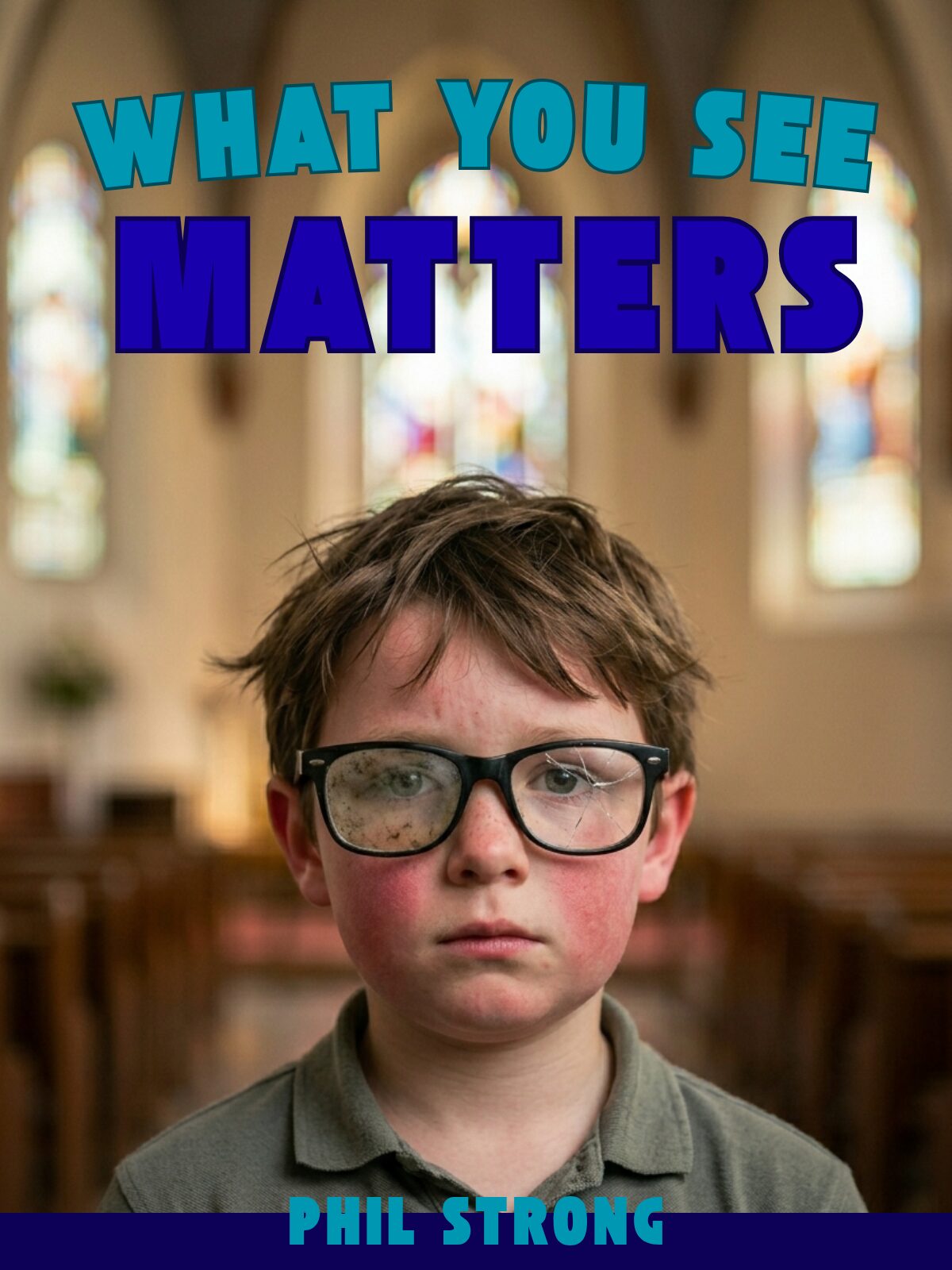
What you see matters. In every possible sense.
We spend a lot of our lives functioning with blurry spiritual vision — not totally blind, just foggy. We believe. We show up. We do the thing. But there’s a soft-focus quality to how we see God, how we see ourselves, how we see what’s actually possible. We’re seeing through something that’s getting in the way, and half the time we don’t even notice.
The Apostle Paul noticed. He prayed one of the strangest prayers in the entire New Testament — strange because of what he didn’t pray for. No healing. No money. No breakthrough circumstances. What he asked for, for the people he loved, was sight. Spiritual sight. ‘The eyes of your understanding being enlightened,’ he wrote in Ephesians 1. Not more information. Not a better commentary. Actually seeing.
Because Paul understood something we often miss: you can know all the right things about God and still be spiritually short-sighted. The Pharisees had the whole Torah memorised. They still didn’t recognise Jesus when he was standing right in front of them.
The first chapter of What You See Matters asks an honest question: what’s your spiritual sight actually like right now? Not what you wish it was. What it is. Foggy? Clear in some places, blurry in others? And what’s getting in the way?
It also introduces the two stories that are going to carry us through the whole book — a man in Genesis who had a rock for a pillow and no idea that God was about to show up, and a man in a garden in Jerusalem who prayed so hard that his sweat turned to blood.
Two encounters. Two revelations. And a question at the end that might just change the way you pray forever.
But we’ll get to that. First, let’s talk about perspective.
What You See Matters — because what you see shapes how you live. And I think, by the time we’re done, you’ll know exactly what I mean by that.
📖 What You See Matters is available now. Grab your copy and start seeing differently.